CMS Announces End to Federal Match for States' Medicaid Funding Requests: What You Need to Know

Table of Contents
- CMS Rule Means Medicare Advantage Plans Will Pay Back Billions in ...
- Medicaid Cuts 2025 - Oscar Diazz
- Medicaid re-enrollment ends soon; millions may lose coverage ...
- Medicare Part D Disclosures due by March 1, 2017 for Calendar Year ...
- Millions Could Lose Medicaid Coverage When Pandemic Health Emergency ...
- New CMS Rule Ties COVID-19 Data Reporting to Medicare Participation ...
- These states will see the biggest impact if Congress ends Medicaid ...
- Winding Down Medicaid Enrollment When Health Emergency Ends ...
- Medicare Open Enrollment is here
- What you need to know about CMS’s proposed changes to Medicaid managed ...



Background on Medicaid Funding

CMS Announcement



Implications for States
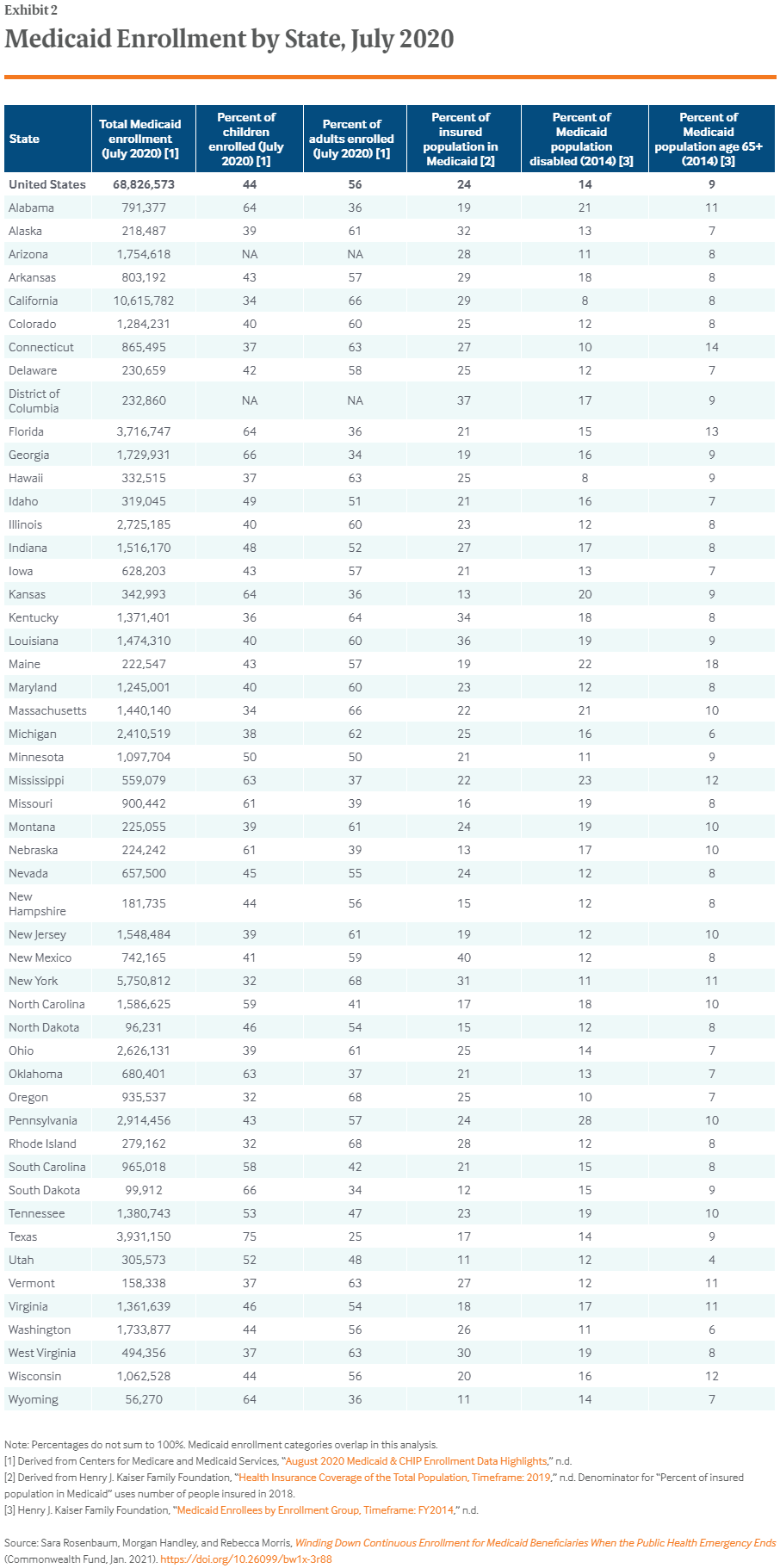
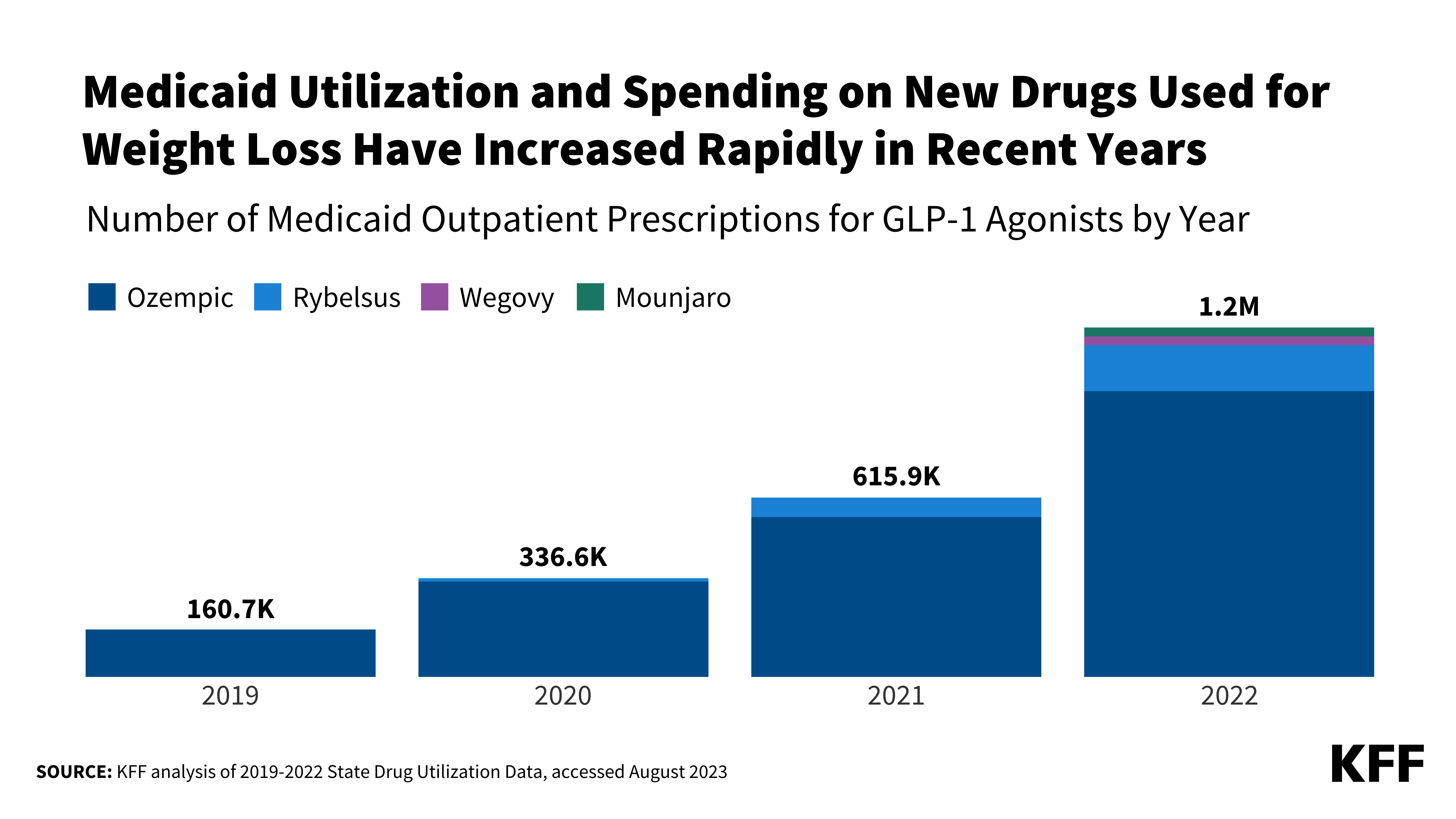
The CMS announcement is expected to have significant implications for state Medicaid programs. Without federal matching funds, states will be forced to absorb the full cost of their Medicaid programs, which could lead to: Reduced Medicaid enrollment: States may be forced to reduce Medicaid enrollment to manage costs, which could leave thousands of low-income individuals and families without access to healthcare coverage. Cuts to Medicaid benefits: States may be forced to cut Medicaid benefits, such as dental, vision, or prescription drug coverage, to manage costs. Increased state budget burdens: The loss of federal matching funds will place a significant burden on state budgets, which could lead to tax increases or cuts to other vital public programs.
Implications for Medicaid Beneficiaries
The CMS announcement will also have significant implications for Medicaid beneficiaries. Without access to federal matching funds, states may be forced to: Reduce provider reimbursement rates: States may reduce reimbursement rates for healthcare providers, which could lead to reduced access to care for Medicaid beneficiaries. Limit access to specialty care: States may limit access to specialty care, such as mental health or substance abuse treatment, to manage costs. Increase out-of-pocket costs: States may increase out-of-pocket costs, such as copays or coinsurance, for Medicaid beneficiaries to manage costs. The CMS announcement to end federal matching funds for states' Medicaid funding requests is a significant development that will have far-reaching implications for state Medicaid programs and Medicaid beneficiaries. As states struggle to manage the costs of their Medicaid programs, it is essential that policymakers prioritize the needs of low-income individuals and families who rely on Medicaid for healthcare coverage. We will continue to monitor the situation and provide updates as more information becomes available.Keyword: Medicaid, CMS, federal match, state funding, healthcare coverage